
Learning how to help a dog lose weight starts with a surprisingly ordinary question: what actually happens between breakfast and bedtime? The answer includes the scoop of kibble, the dental chew, the snack from a visitor, and the walk that became shorter when your dog started slowing down.
A healthy weight plan makes those details visible. If you are wondering how to help a dog lose weight, start with a routine you can measure and repeat. It combines an appropriate, nutritionally complete diet with comfortable movement and regular veterinary follow-up. The goal is a dog who can enjoy daily life more easily while keeping muscle and getting essential nutrients.
Start here: Schedule a veterinary weight assessment, keep a complete food diary, and measure meals accurately. Avoid drastic food cuts or a sudden exercise challenge. This guide is educational; your veterinarian should set your dog’s calorie allowance, target condition, and pace of weight loss.
How to help a dog lose weight: establish a starting point
It is tempting to respond to an increasing scale reading by immediately serving less food. First, collect enough information to make the change useful. Ask your veterinary team to record current weight, body condition score, and muscle condition. Bring the exact food label and a list of everything your dog eats, including supplements and foods used to give medication.
Explain what has changed at home. A move, a new work schedule, an injury, or another pet can alter both eating and activity. Mention when the gain started and whether it was gradual. Increased thirst, unusual hunger, skin changes, a growing belly, or reduced energy deserve attention rather than assumptions about overfeeding.
The assessment should produce a practical agreement: which food to use, how much to offer in grams, what counts toward the daily allowance, and when to return. Ask who to contact if your dog refuses meals or seems uncomfortable. A clear first checkpoint makes the plan easier to follow.
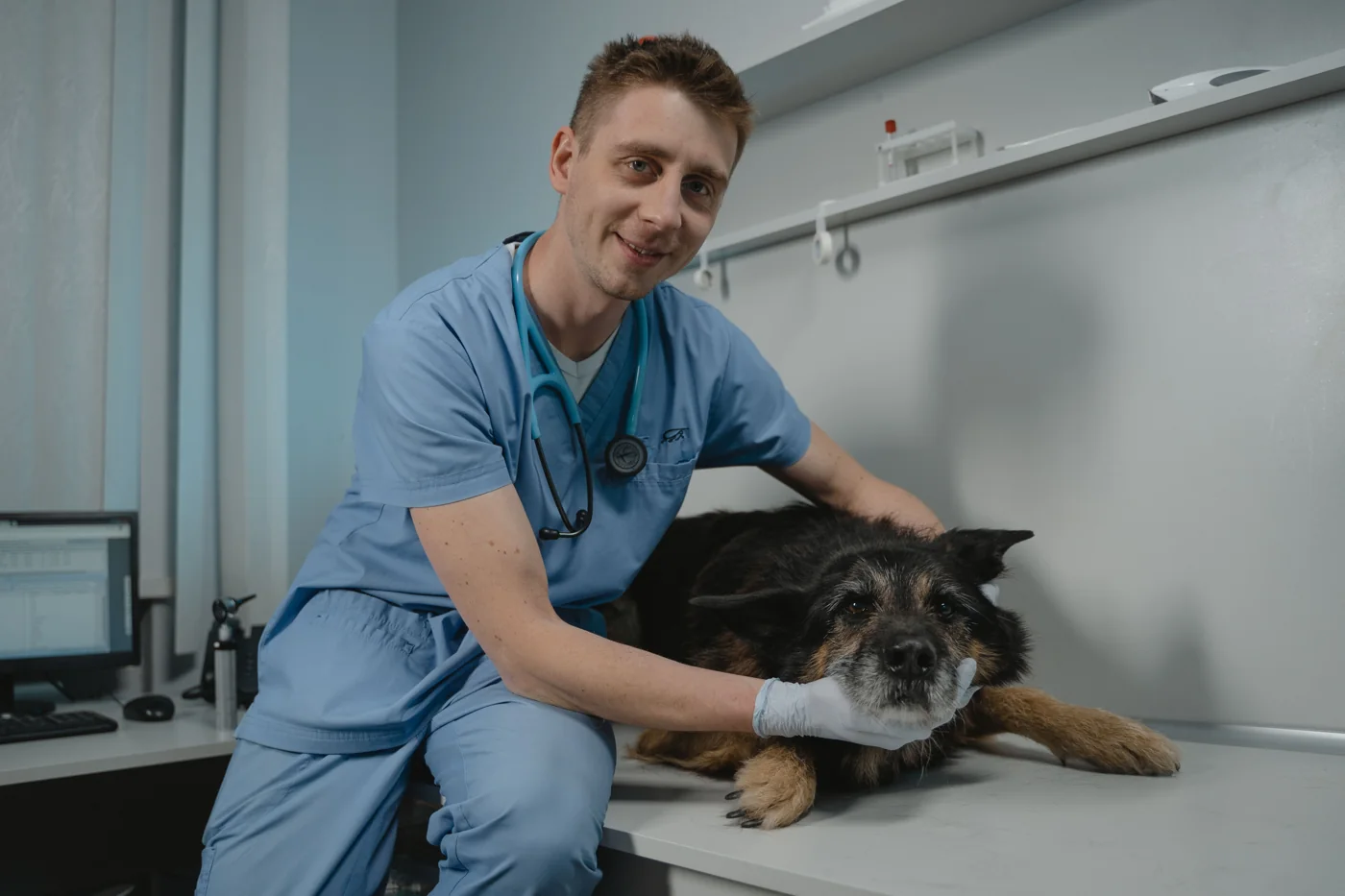
Read the dog’s shape as well as the scale
Weight alone cannot tell you how much body fat a dog carries. Two dogs of similar size can differ in frame and muscle. Breed weight ranges are broad descriptions, and a thick coat can hide changes. Use your eyes and hands together, with your veterinarian showing you what to feel.
A three-part check at home
With your dog standing comfortably, gently run your hands over the rib cage. You should generally be able to feel individual ribs under a light covering of fat without pressing hard. Next, look down from above for a waist behind the ribs. From the side, look for the abdomen to rise toward the hind legs.
These landmarks vary with conformation. A photograph cannot diagnose obesity, and a deep chest or loose skin can complicate the view. If touching causes discomfort, stop. Ask the veterinary team to demonstrate an assessment your dog tolerates.
What the nine-point body condition score means
The body condition score, or BCS, estimates fat stores. On the nine-point scale, 1–3 indicates varying degrees of thinness, 4–5 generally represents ideal condition, 6–7 indicates excess fat, and 8–9 indicates marked excess fat. Higher scores usually come with harder-to-feel ribs and a less visible waist or abdominal tuck.
BCS is a screening and tracking tool, not an exact body-fat measurement. Have your veterinarian interpret it alongside muscle condition, health, and weight history. An overweight older dog can also be losing muscle, so a smaller number on the scale is not automatically an improvement.

What a healthier weight can change in daily life
Excess body fat adds load to joints and can make ordinary movement harder. It also produces chemical signals associated with inflammation. For a dog with arthritis, managing excess weight is often an important part of a broader comfort plan that may include pain treatment and rehabilitation.
You may notice difficulty rising, less interest in play, or a shorter comfortable walking distance. Those changes should prompt an examination; weight is not the only possible cause. Addressing pain can help a dog move more comfortably, which in turn makes a sustainable activity routine more realistic.
Obesity is also associated with reduced heat and exercise tolerance and greater challenges around anesthesia. Tell the veterinary team about your dog’s weight plan before procedures so they can account for overall health. These risks are reasons to provide support, not to rush weight loss or feel ashamed.
Choose a daily-life goal alongside the clinical measurements. Perhaps you want your dog to finish a familiar gentle route comfortably or rise from bed more easily. Record what happens over time and share it at rechecks. Your dog’s experience helps the team judge whether the overall plan is working.
Find the extra calories without blaming anyone
Fat accumulates when energy intake repeatedly exceeds energy use. That imbalance can be small enough to escape notice. A generous scoop, frequent leftovers, and a substantial chew can all matter, especially for a small dog. Food labeled “natural” or “premium” still supplies calories.
For several representative days, write down meals, training rewards, table food, edible chews, toppers, and anything taken from another pet’s bowl. Include weekends and different caregivers. Record amounts and product names instead of descriptions such as “a few treats.” Photographing packaging can help your veterinary team identify calorie information.
Why the same routine may stop working
Energy needs change. After spaying or neutering, some dogs need fewer calories. An aging dog may move less or lose lean tissue. Pain can quietly reduce activity, while an injury can interrupt a previously active routine. Genetics and individual appetite also influence how easily weight increases.
Some medications, including corticosteroids and certain seizure treatments, can affect appetite or weight. Hypothyroidism and Cushing’s disease are other possible contributors. Your veterinarian can decide whether symptoms and examination findings justify testing. Never stop a prescribed medication or give thyroid medication simply to encourage weight loss.
A food diary helps everyone understand how to help a dog lose weight through consistent daily choices. The diary is information for adjusting the environment. If three people reward the same dog throughout the day, put a shared portion aside and agree on how to use it. One consistent system usually works better than asking everyone to remember a different rule.
How to help a dog lose weight while protecting nutrition
When deciding how to help a dog lose weight, calorie control and nutritional adequacy belong together. Cutting a maintenance food far below its intended feeding amount may also cut protein, vitamins, and minerals too much. A veterinary therapeutic weight-loss diet may provide essential nutrients within a lower calorie allowance.
Ask whether your dog needs that type of diet or whether a measured adjustment to the current food is appropriate. Other health conditions, food sensitivities, life stage, and preferences affect the choice. A food’s “light” or “weight management” label alone does not establish that it suits your dog’s particular restriction.
Turn the calorie allowance into a repeatable serving
Your veterinarian may use an energy equation to estimate a starting allowance, then adjust it according to your dog’s response. Calculations are estimates, not guarantees. Online calculators cannot evaluate muscle loss, medical needs, or the suitability of a particular food.
Once the allowance is set, use the product’s calorie information to establish the daily food weight. A kitchen scale is usually more precise than a measuring cup, particularly for small servings of dry food. Place the empty bowl on the scale, zero it, and weigh the agreed amount. Follow the same process each day.
Confirm whether the written amount is per day or per meal. Divide the daily portion into a workable meal schedule, often two or more meals for an adult dog. Reserve any food used for training before filling the bowls. If you mix wet and dry foods, count both rather than adding wet food on top of a full dry-food allowance.

Keep a complete diet at the center
For U.S. packaged foods, look for a nutritional adequacy statement indicating that the food is complete and balanced for the appropriate life stage. Your veterinary team can explain the statement and whether the formula fits the plan. A puppy’s growth needs differ from an adult’s weight-loss needs.
Do not replace a substantial share of meals with vegetables, plain meat, or rice to make the bowl look full. Those substitutions can unbalance the diet. If you prefer home cooking, use a recipe formulated for your individual dog by a qualified veterinary nutrition specialist. Our homemade dog food guide explains why ingredient quality and nutritional completeness are separate questions.
Discuss food transitions with your veterinarian, especially if your dog has digestive disease or another therapeutic diet. Make sure all caregivers know which food and serving weight apply. When a product changes, check the calorie density again; identical-looking portions of different foods may supply different amounts of energy.
Keep rewards, change the delivery
Treats can remain part of a healthy routine. The usual ceiling is about 10% of daily calories from treats and other extras, with the rest supplied by complete and balanced food. This is a limit, not an amount you need to fill. Your veterinarian may recommend a tighter allowance.
Remember that dental chews, peanut butter used for pills, and food in enrichment toys count too. Check calories per piece and serving size on the package. Break suitable treats into small pieces, or use some of the day’s measured kibble. Rewards work through timing and meaning as well as size; our guide to common dog training mistakes covers that connection.
Some dogs enjoy small pieces of plain cucumber, carrot, or green bean, but suitability depends on health and digestive tolerance. Introduce any approved extra cautiously, avoid choking hazards, and count its calories. Dogs on elimination diets or other restricted diets may need rewards drawn only from their prescribed food.
Affection also has options beyond eating. Offer a sniffing break, a favorite toy, gentle attention, or a short game your dog enjoys. These choices should enrich your relationship. Keep adequate meals and fresh water available according to the feeding plan.
Choose movement your dog can comfortably repeat
Activity supports muscle, mobility, and daily enjoyment, but extra exercise alone rarely solves an ongoing calorie surplus. Pair movement with the feeding plan. A heavier dog may already have sore joints or poor conditioning, so suddenly adding running or prolonged fetch can create a new problem.
Ask your veterinarian what your dog can safely do now. Short, comfortable leash walks on even ground may be a useful starting point. Increase activity gradually according to comfort and recovery, changing one aspect at a time. The right starting duration depends on the individual rather than a universal daily mileage target.
Watch your dog during the outing and later that day. Limping, lagging behind, stiffness after rest, or reluctance to go again can indicate that the plan needs adjustment. Stop for concerning signs. Collapse, trouble breathing, or suspected heat illness needs urgent veterinary attention.
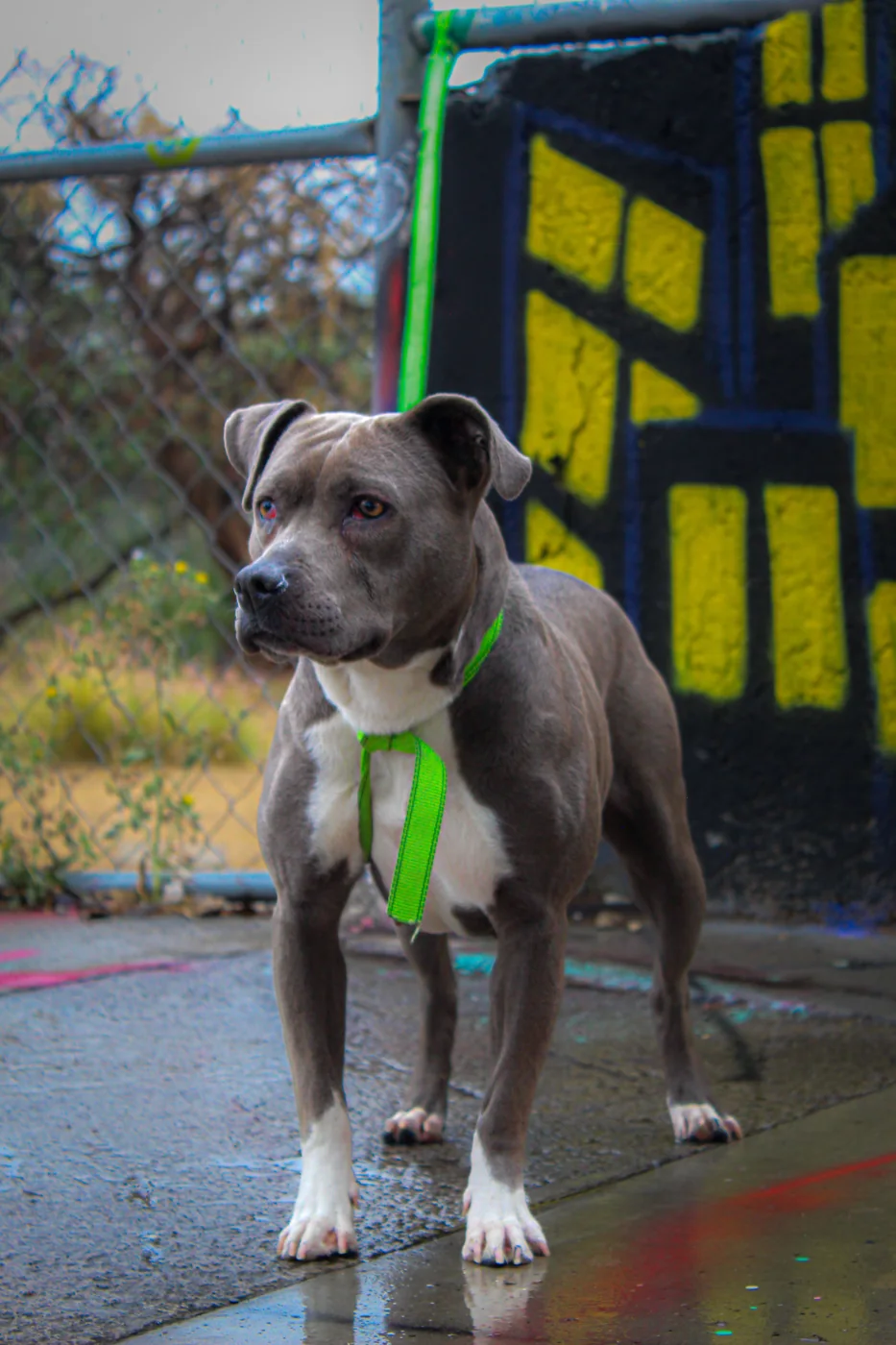
Adapt the day instead of chasing distance
Our guide to exercise needs by age and lifestyle can help you discuss a sustainable schedule. For an older dog, comfortable footing and easier access outside may matter as much as walk length; see our senior dog home adjustments.
In warm weather, rethink both timing and intensity. Excess weight can reduce heat tolerance, and flat-faced dogs or dogs with breathing problems need particular care. Use our hot-weather walking guide to plan water, shade, and shorter outings. Swimming or rehabilitation may suit some dogs, but requires veterinary guidance, safe access, and supervision.
Sniffing and low-impact games can make a modest outing enjoyable. Our neighborhood sniff-walk ideas focus on exploration rather than mileage. Indoors, an easy food puzzle can use part of a measured meal; start with our puzzle feeder introduction. A rainy-day enrichment routine offers other manageable choices when outdoor conditions limit activity.
Measure progress without turning it into a race
Many supervised canine weight-loss plans aim for roughly 1–2% of body weight per week, while some dogs need a slower pace. This range is context, not a personal target or a reason to push food intake lower. Your veterinarian should choose the rate and reassess it as your dog changes.
Arrange regular weigh-ins, commonly about every two weeks at the start, using the same reliable scale when possible. Record the date and conditions. Household scales may struggle to detect small changes accurately, especially in tiny dogs. Ask the clinic about convenient weight checks.
Track more than pounds. Note comfortable walking, willingness to play, body contours, appetite, stools, and muscle condition. Take standing side and overhead photos under similar conditions if your dog is relaxed. Avoid interpreting one photo or one unexpected reading as the whole story.
If weight stalls, audit before cutting again
Review the diary with your veterinary team. Check scale accuracy, food weights, calorie density, unrecorded extras, and access to other bowls. Changes in routine or medication may also explain the trend. A slower week does not automatically mean failure or require an immediate reduction.
If loss is faster than planned, your dog seems weak, or appetite changes substantially, contact the veterinarian. Significant muscle loss or reduced interest in activity is not a success to celebrate. Persistent vomiting, diarrhea, or refusal to eat also warrants advice rather than waiting for the next scheduled weigh-in.
Healthy Weight, Happier Dog: A Weekly Progress Checklist
Copy this checklist into a notebook or print this section. Complete the daily lines with everyone who feeds or walks your dog. Leave the target and calorie fields for the plan agreed with your veterinarian.
Week beginning: ______ Food/formula: ______
Veterinary daily allowance: ______ Next check-in: ______
- Meals: Daily food weighed in grams; meal and training portions came from the same allowance. Mon □ Tue □ Wed □ Thu □ Fri □ Sat □ Sun □
- Extras: Treats, chews, toppers, and pill foods recorded and within the agreed budget. Mon □ Tue □ Wed □ Thu □ Fri □ Sat □ Sun □
- Activity: Comfortable movement or approved enrichment completed; duration and response noted. Mon □ Tue □ Wed □ Thu □ Fri □ Sat □ Sun □
- Household: All caregivers used the shared plan; other pets’ food stayed inaccessible. Mon □ Tue □ Wed □ Thu □ Fri □ Sat □ Sun □
- Weight, when scheduled: Date ______ Weight ______ Scale/location ______
- Observations: Appetite, stools, energy, stiffness, breathing, and any unusual signs: ______
- Questions for the veterinary team: ______
At the end of the week, choose one practical improvement, such as preparing the shared treat portion each morning. Keep the veterinary food allowance unchanged unless the team recommends an adjustment.
Shortcuts that can undermine a safe plan
A crash diet can reduce essential nutrients and muscle along with fat. Unsupervised fasting does not teach a sustainable routine and may be particularly risky for puppies or dogs with medical conditions. Do not withhold water or use dehydration to change the scale reading.
Avoid human weight-loss drugs, stimulant supplements, “fat burners,” and internet remedies. Never use someone else’s pet medication. Any drug treatment requires a veterinarian’s decision about the individual dog, including benefits, risks, and monitoring.
Keep growing puppies, pregnant or nursing dogs, and dogs with complex disease out of a do-it-yourself adult weight-loss program. They still benefit from appropriate body condition, but their nutritional needs call for a tailored plan.
How to help a dog lose weight: common questions
How much should I feed my overweight dog?
Ask your veterinarian for a daily calorie allowance and its equivalent in grams of the exact food. The bag’s chart is a starting guide, not an individualized weight-loss prescription. Include treats, chews, and every food used for medication in the calculation.
Can walking alone help my dog lose weight?
Walking contributes to activity and well-being, but it may not offset excess food intake. Combine suitable walks with measured meals and controlled extras. If walking hurts or causes breathing difficulty, get veterinary advice before increasing it.
Why is my dog gaining weight while eating less?
A smaller-looking serving may still contain more calories than needed, and extras can be overlooked. Reduced activity, medications, or illness may also contribute. Bring a complete intake record and the weight timeline to your veterinarian rather than continuing to cut portions.
Are green beans a good replacement for dog food?
Plain green beans may be an occasional low-calorie extra if your veterinarian agrees. They are not a complete diet. Replacing large amounts of balanced food with vegetables can leave nutrient gaps, so discuss both the amount and its role in the plan.
How long will it take my dog to reach a healthy weight?
Expect a process measured in weeks to months, depending on the starting condition and safe rate of loss. Your veterinarian can estimate a timeline and update it at rechecks. Comfort, muscle preservation, and consistency matter more than a deadline.
What happens after my dog reaches the target?
Move to a maintenance allowance with veterinary guidance, then keep weighing portions and monitoring body condition. Returning to the old intake can restore the old weight. The habits that made progress possible should become an easier, lasting version of everyday care.
General guidance does not replace individual veterinary or behavior assessment.