
A useful small entryway setup gives the leash, waste bags, and cleanup supplies predictable locations. Keep medications, cleaners, and tempting chewable items secured, and leave doorways unobstructed. Start with what you reach for every day, then test both leaving and coming home before buying more storage.
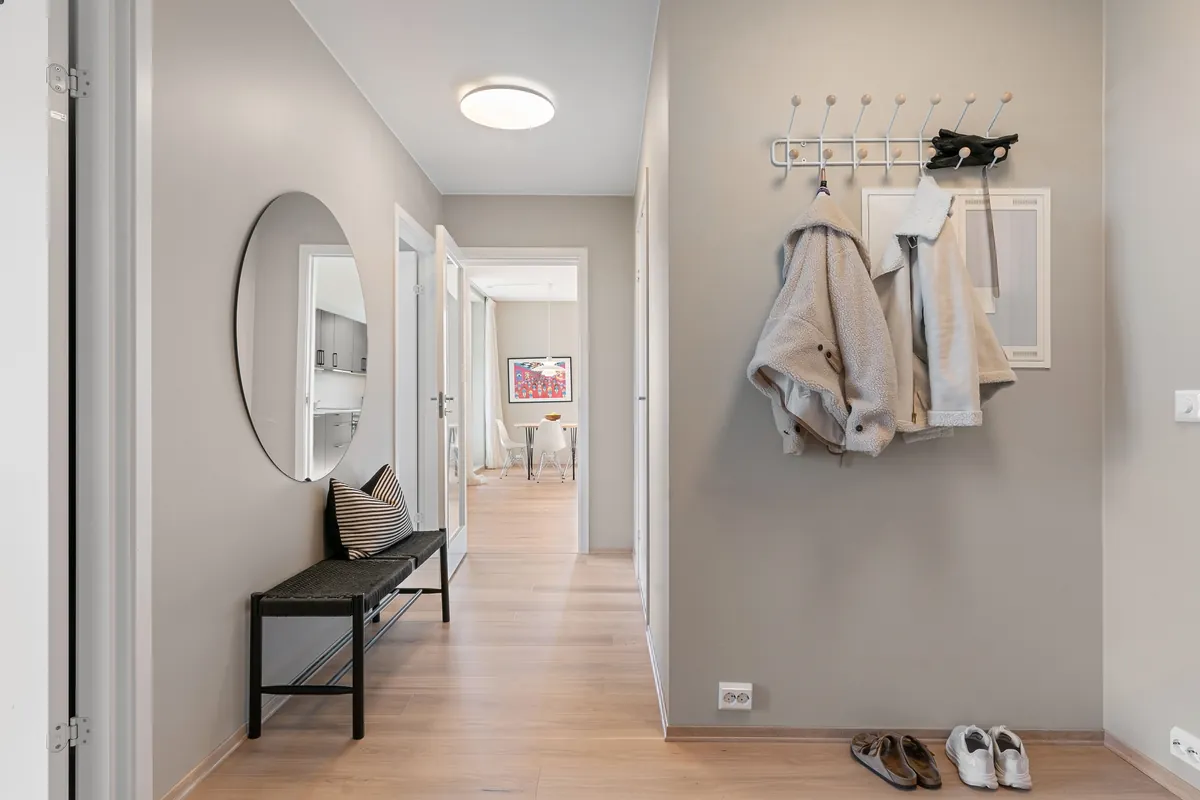
The goal is a walking station that works when you are tired, carrying groceries, or dealing with rain. It should reduce searching without putting a bench, basket, or loose strap in the path to the door. A few well-placed essentials can be enough.
Rehearse one departure
Go through the motions of an ordinary walk without the dog: find the leash, get bags, collect keys, and open the door. Notice the item that repeatedly requires a search. That is the first problem your entry setup should solve.
Avoid buying a large storage bench before measuring how the door opens. Check whether a person, the dog, and any mobility aid can move through the area together. A clear route matters more than matching containers.
Also open nearby cabinets, move the shoes people normally leave out, and check where deliveries land. A storage unit that fits with every door closed may become an obstruction during a real departure. Test the entry with ordinary household activity, not just an empty-floor measurement.
If the entrance is too narrow for storage, use a nearby cupboard inside the residence. The walking station does not have to sit against the front door. Keeping the route clear is more useful than forcing everything into the smallest available corner.
Keep a small essentials list
A simple setup might contain the walking equipment, a bag refill, a towel, and a place for human keys. Add water or weather equipment only if it is part of your actual routine. Store extras elsewhere if they crowd the doorway.
Use storage the dog cannot easily raid. A hanging strap can become a chew target, and an open bin may put small items within reach. Choose placement according to the individual dog’s habits, not just the room’s appearance.
Give each everyday item one reliable place
- Leash and appropriate collar or harness: use a closed compartment or a secure location the dog cannot reach.
- Waste bags: keep the current roll ready and a refill in the same protected storage area.
- Clean towel: store it dry and separately from used, damp equipment.
- Keys and human essentials: keep them easy for the handler to collect without releasing the dog.
Keep the setup small enough to inspect quickly. Store spare equipment and occasional-use accessories elsewhere. If you regularly have to empty a basket to find the leash, the basket contains too much for its job.
Check equipment when you put it away
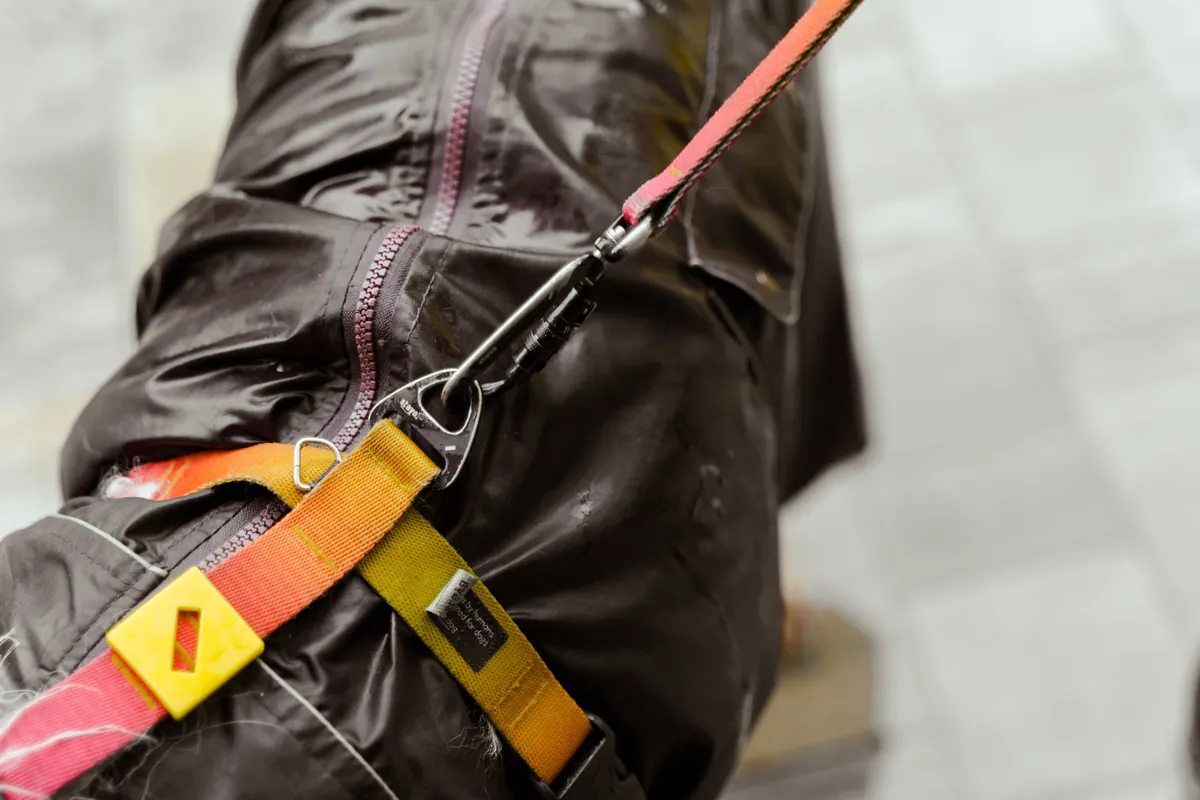
Look for damaged stitching, worn clips, or parts that do not fasten properly. Follow the manufacturer’s fit and care directions, and ask a qualified professional about equipment that suits your dog’s handling needs. Organization cannot compensate for equipment that is damaged or poorly fitted.
Our urban leash and harness guide covers selection considerations. Here, the important step is making the equipment ready to use and keeping loose loops off the floor.
Three practical small entryway setups
Choose the version that solves your household’s actual problem. These are original layout proposals, not product tests or universal installation instructions. None requires a particular brand or a quoted market price.
Minimal entryway setup
Use one existing closed drawer or cupboard near the entry. Place the daily leash and bag refill together, keep a clean towel in a separate section, and give keys their own small container. Put infrequently used gear elsewhere so the drawer opens without snagging.
If you prefer hooks, place them securely according to their installation instructions and within the handler’s comfortable reach. Keep straps inaccessible to the dog and clear of door movement. Check rental restrictions before drilling; adhesive hardware is not automatically suitable for every wall or load.
This arrangement suits a household whose main frustration is searching for essentials. Try it with what you own before adding a bench. The practical test is whether you can retrieve and replace each item without blocking the passage.
Budget-friendly dog walking station
Start with an existing cabinet and a few containers or dividers. Label the sections for walking gear, clean towels, and refills. Reuse only containers that are sturdy, clean, and safe for the location; avoid sharp edges or closures the dog can easily open.
Add a stable washable mat if it solves a real problem with tracked-in moisture. Keep a used-towel drying location away from the exit, then wash towels as needed. Do not put a wet cloth back beside clean supplies just to make the station look tidy.
Spend only after you identify the missing function. A divider may solve tangled leashes; a drying arrangement may solve damp towels. Buying a large matching set before testing the routine can create more objects to clean without making departures easier.
Small-space organization for multiple dogs
Assign each dog’s fitted equipment to a labeled section. Names can be easier for another caregiver to follow than colors alone. Keep bag refills in one shared location, and separate any items that must be used for a particular dog.
Set up enough room to handle dogs individually if that is safer. Prepare one dog’s equipment while the others remain comfortably managed elsewhere, then follow the departure plan your household can handle. Do not assume walking everyone together is the only efficient option.
Use dividers rather than a bigger floor-standing basket when storage is tight. Check that clips and leads stay untangled. If dogs crowd the entry, reconsider the preparation location and handling sequence before adding furniture to an already busy space.
Secure the door before reaching for supplies
Collect your essentials and attach appropriate walking equipment before opening the exit. Check that the leash is secured and that you can manage the dog while operating the door. Pause if another resident or dog is approaching a narrow shared area.
A practiced wait can help, but it should not be the only protection against escape. Use practical management during deliveries and arrivals, such as keeping the dog comfortably in a separate secure area before opening the door. Explain the routine to visitors and caregivers.
Best Friends Animal Society’s escape-prevention guidance discusses door dashing and recommends current identification and registered microchip information. Check these details as part of your wider safety plan, rather than expecting a neat entryway to prevent every escape.
Teach useful entry skills with rewards and manageable practice. AVSAB’s humane-training position supports reward-based methods. If preparation repeatedly leads to intense pulling, fear, or conflict, seek qualified help instead of trying to restrain the dog while searching through storage.
Design the return routine too
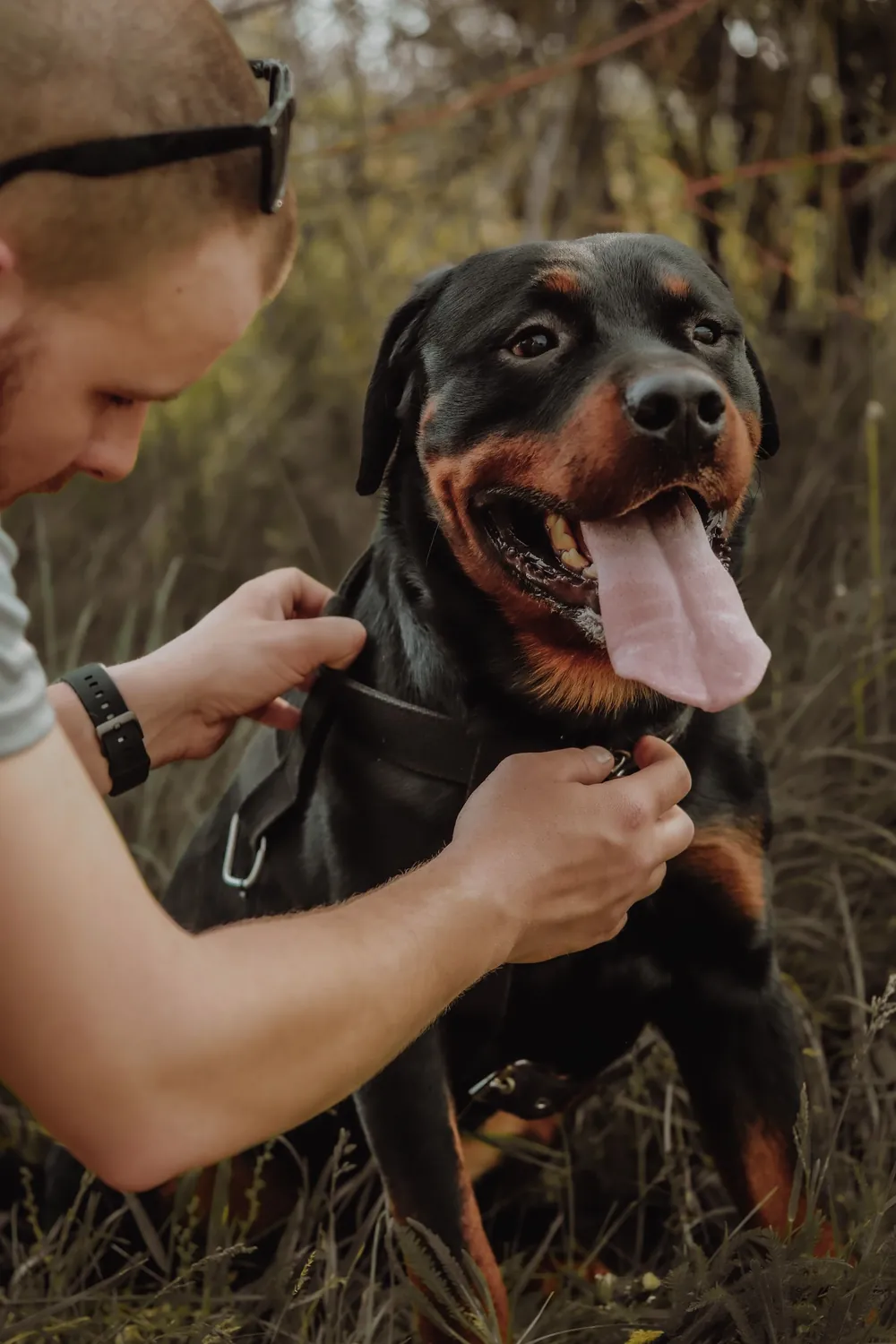
Where will wet equipment go? Can you clean paws without balancing at the threshold? How will you keep the door secure while another person arrives? Think through these steps before the first rainy outing.
For example, a small washable mat inside the door and a towel in a nearby closed cabinet may be enough. Test whether the mat stays stable underfoot and whether it creates a trip hazard. Follow your building’s rules about leaving anything in a shared hallway.
Prepare for rain without crowding the exit
Keep weather gear nearby only if the dog uses it comfortably and it is appropriate for the outing. Follow its care directions. Designate a drying place for wet equipment away from heaters, electrical items, and the dog’s reach.
Once inside, close and secure the door before releasing the dog from walking equipment. Then handle towels and wet gear in a position where you can work safely. Allow the dog to move to a comfortable area instead of making it wait in a slippery, crowded threshold.
Wipe up tracked-in water promptly and check beneath the mat. Avoid a thick or curled edge that catches feet or paws. A mat should help the routine without turning a clear doorway into a tripping problem.
Store cleaners separately from walking supplies
Keep chemical cleaners securely inaccessible to the dog and follow their labels. The ASPCA’s household-product guidance explains why familiar products still require careful use and storage. An open basket next to the leash is not secure storage for them.
Use suitable cleaning instructions for the floor and keep the dog away from wet products as directed. A towel for ordinary moisture is a different tool from a chemical cleaner; do not treat the station as a collection of products to spray on paws.
A short before-and-after walking routine
Before leaving: check bags, collect keys, inspect and fit equipment, then open the door when you can safely manage the dog. If supplies are missing, resolve that while the door remains secure.
After returning: secure the door, deal with moisture where needed, check equipment, and separate damp items for drying. Restore the essentials to their assigned locations so the next handler starts with a ready station.
Common mistakes include stacking shoes in the walking route, hanging chewable straps within reach, using the entry for all spare supplies, and storing wet towels in a closed box. Remove the problem item or change the sequence before buying another organizer.
Assign replenishment
Decide who checks waste bags and replaces a dirty towel. A station that runs out of supplies has become decoration. Add a quick check to an existing household task, such as taking out the trash.
The ASPCA’s responsible-care framework includes removing hazards from a pet’s environment. Apply that principle to the entry: secure chemicals, keep escapes in mind, and preserve access. Review the setup when the dog grows, changes equipment, or needs mobility support. A good entry station is small, predictable, and easy to maintain.
Sources & further reading
Sources checked October 12, 2026. Examples and checklists are original editorial planning aids, not individual medical prescriptions. No veterinary review is claimed.
General guidance does not replace individual veterinary or behavior assessment.