A sustainable dog enrichment routine offers a few suitable choices across exploration, play, learning, and quiet engagement. Build a small menu from activities your dog enjoys, match choices to the day, and keep essential care and rest in place. Consistency comes from a workable setup, not a packed entertainment calendar.
You have saved dozens of enrichment ideas, bought a puzzle, and promised yourself a different game every evening. By Wednesday, the puzzle is still drying and the plan feels like another unfinished job. The problem may be the system rather than your commitment to your dog.
A weekly menu makes choosing easier without demanding that every day look the same. This guide helps you identify useful favorites, budget preparation and cleanup, coordinate caregivers, and review what actually works. It applies to households of different sizes and schedules, including those with limited space.
What belongs in a dog enrichment routine?
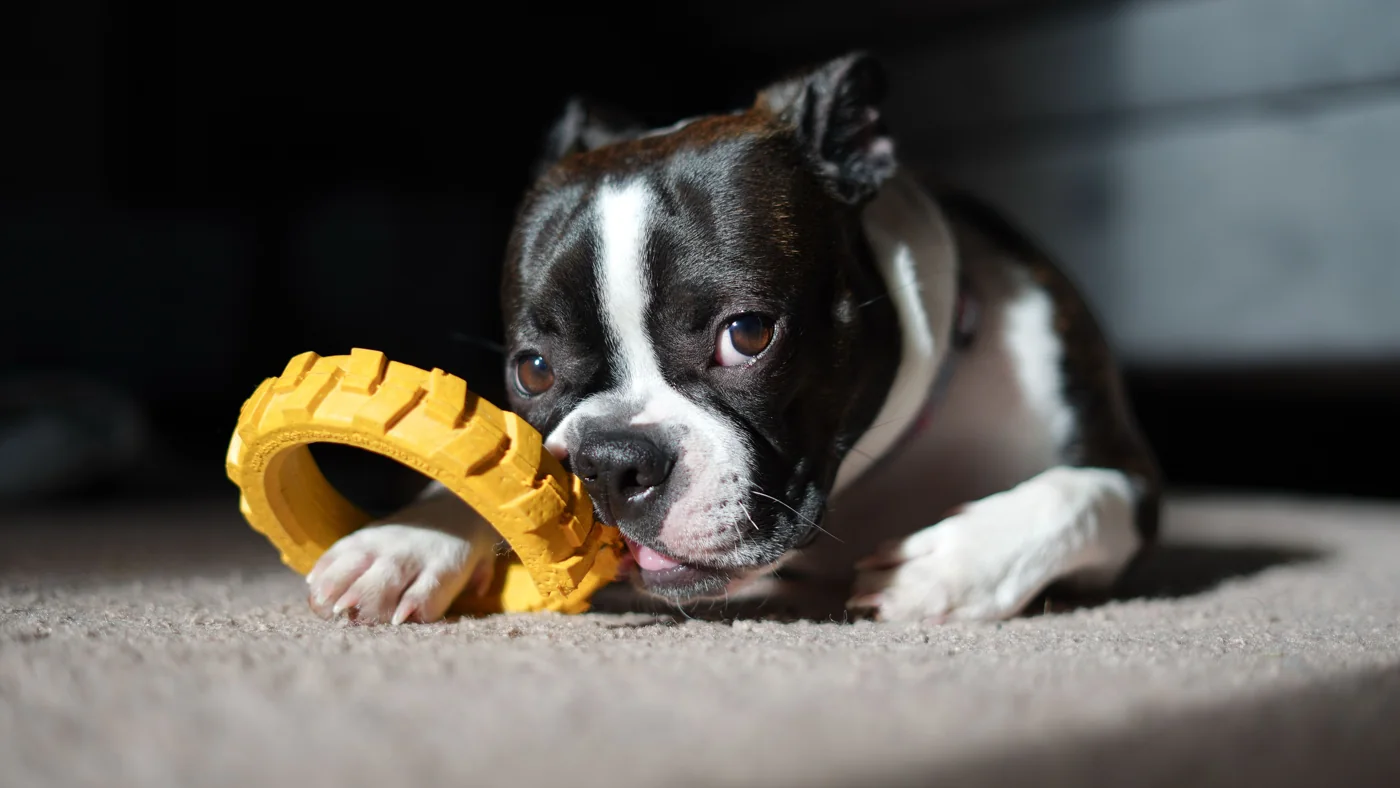
Think about opportunities for your dog to explore, play, learn, and engage comfortably with their environment. Food toys can be one option, but the routine does not need to revolve around feeding. A suitable walk, a familiar toy game, and a short training session offer different experiences.
VCA discusses enrichment alongside predictability and scheduling. Use that as a reason to make choices understandable and manageable. Avoid treating variety as a requirement to introduce unfamiliar activities every day. A dog’s preferences, health, and safe interaction matter more than the novelty of the idea.
Essential care stays outside the optional menu
Bathroom access, food, water, necessary medical care, and appropriate activity are responsibilities, not rewards that depend on completing a game. Keep them in the day’s care schedule. The enrichment menu helps you choose suitable opportunities around that schedule rather than replace it.
Rest belongs in the routine too. A comfortably sleeping dog does not need to be woken because you have not checked today’s activity box. Make the menu available when an activity fits the dog and household. Your goal is a useful range of options, not continuous occupation.
Inventory the activities you already have
Start with a short list of familiar successes. Write down the specific conditions: “quiet side street with room to sniff,” “brief hand-target practice in the kitchen,” or “gentle play with the intact blue toy.” Precise notes are easier to repeat than “loves games.”
Include the practical costs. An activity may be enjoyable but require preparation, direct supervision, a clear floor, and washing afterward. Another may fit easily into an existing walk. Neither is automatically better, but knowing the commitment prevents your menu from becoming a list of options you rarely use.
Ask what your dog actually does
Observe whether your dog approaches, engages safely, and can finish comfortably. Notice avoidance, frustration, or attempts to ingest materials. Do not score enjoyment solely by how long an item occupies the dog. A short successful activity can be more useful than a prolonged struggle.
For a new dog, keep the menu provisional. Ask previous caregivers about favorites and unsuitable materials, then check those observations in your home. A toy used safely in one context may require different management around another pet or a child. History informs the introduction; it does not replace observation.
Build four simple menu categories
| Category | Possible familiar option |
|---|---|
| Explore | A suitable walking route with safe investigation pauses. |
| Play | A supervised game with an intact, appropriate toy. |
| Learn | A few manageable repetitions of a useful cue. |
| Quiet engagement | An easy, suitable food activity with required supervision. |
Add one or two options under each heading. These are editorial categories for organizing a household, not a validated assessment of canine welfare. A walk can include learning and exploration; you do not need to force every activity into exactly one box.
Use existing guides for detailed introductions
For outdoor choices, our sniff-walk guide covers routes, pauses, and safe transitions. For a new food device, use the puzzle-feeder introduction guide. The weekly menu should tell you which option fits today, while the introduction guide explains how to start it.
For a resting skill, see teaching your dog to settle. A mat cue is a learned behavior, not proof that a dog is comfortable in every setting. Keep that distinction when deciding whether a task is appropriate during visitors, noise, or an absence.

Give each activity a practical instruction card
You do not need a printed binder. A short shared note can explain the setup, food portion if relevant, supervision, stopping criteria, and cleanup. Include where the equipment is stored. This turns an appealing idea into something another household member can carry out safely.
- What is the activity and its purpose?
- Where can it happen with appropriate footing and space?
- Who supervises, and what should prompt a stop?
- What food or equipment is already approved for this dog?
- How is the area or product cleaned afterward?
For example, an easy food search might use a clear designated area and a small portion set aside from the day’s food. The card would specify supervision, separate pets where needed, and removal of leftover food. Avoid vague instructions such as “give whatever treats are in the cupboard.”
Make the easiest options truly easy
Keep a suitable favorite toy accessible to caregivers and secure from unsupervised chewing. Store the training pouch where the person using it will remember it. Have a known walking alternative for crowded conditions. Small changes in storage and preparation can remove the friction that causes a good plan to be skipped.
Do not buy equipment to fill every menu category. Start with what you can maintain. Add a product only when it solves a specific problem, such as a suitable activity that fits your space and cleaning routine. A large collection creates more inspection and storage work without guaranteeing useful variety.
Match the choice to today’s conditions
Review the dog’s care and the household before choosing. Weather, medical restrictions, visitors, and available supervision can change the option that fits. On a busy day, a brief familiar session may be realistic. On a quieter day, a suitable outing may offer more opportunity for exploration.
Choose based on the individual, not a generic idea of what a breed should enjoy. Breed information can suggest questions, but the dog’s safe response decides the fit. If your dog repeatedly avoids an activity, find another option instead of insisting it must be appropriate because it matches a breed’s reputation.
Keep an indoor fallback
A weather fallback should be something already introduced, with manageable supervision and cleanup. Our rainy-day activity guide provides examples. Maintain essential bathroom care and an appropriate plan for the conditions. An indoor game does not resolve every reason an outdoor routine becomes difficult.
When health restrictions apply, ask your veterinarian which activities remain appropriate. Do not improvise rehabilitation exercises from a general enrichment list. A food search that requires bending, an energetic toy game, and a walk have different physical demands even when each is described as low-key.
A worked weekly menu
Imagine a household whose dog enjoys a familiar toy, short cue practice, and quiet exploration. Monday’s usual walk includes a permitted pause on the side street. Tuesday has a brief training session during an available break. Wednesday offers the familiar toy game. Thursday repeats a favorite rather than introducing a new challenge.
On Friday, a caregiver has time to prepare and supervise an easy food activity. The weekend allows a suitable outing if weather and the dog’s needs permit. Necessary care happens throughout the week. This example demonstrates organization; it does not prescribe how many games, walks, or minutes your dog needs.
Include the failure version of the plan
What happens if Friday’s caregiver is delayed or the feeder is not clean? Choose an available familiar option and ensure required care is still covered. Avoid making the day depend on one product. If the delay affects bathroom access or other essential support, activate the caregiver arrangement rather than substituting a game.
Our backup-care guide helps organize that responsibility. The enrichment menu can support a handoff by showing what the dog already uses safely. It should not imply that the sitter must entertain the dog continuously or introduce unfamiliar homemade activities.
Account for food without making every game a meal
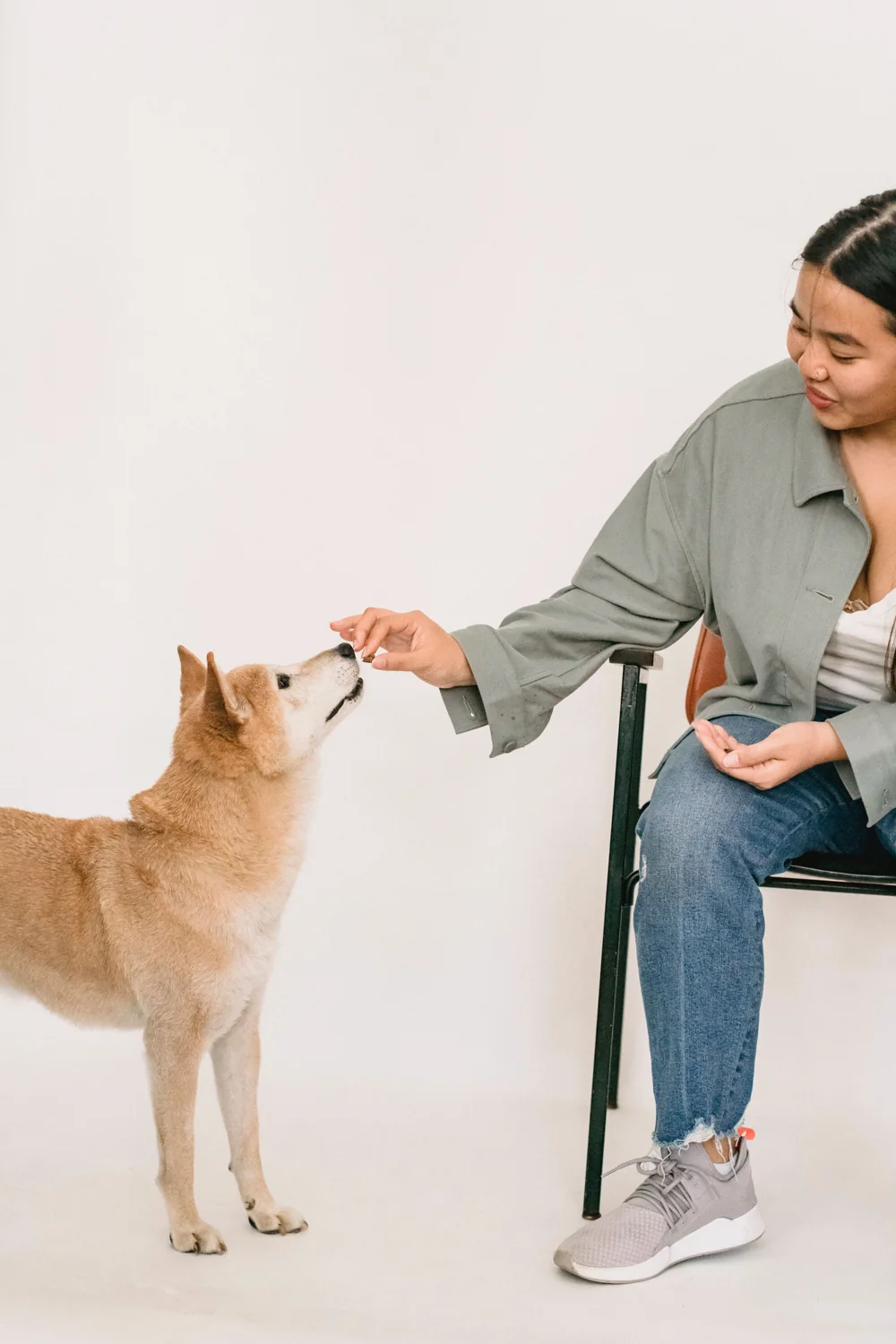
Mark activities that use food so portions are visible to all caregivers. Discuss dietary restrictions and treat allowances with your veterinarian. Using part of the usual food can be practical for some dogs; the appropriate amount and ingredients depend on the individual’s feeding plan.
VCA’s food-enrichment overview emphasizes considering dietary fit. Keep the menu within that plan and retain familiar feeding access. A dog who does not engage with a puzzle should still receive necessary nutrition through an appropriate method.
Maintain food-contact equipment
Preparation includes cleanup. Follow product instructions, remove leftovers, and dry items before storage. Schedule the activity when that maintenance is realistic. If a device repeatedly remains unwashed, choose a simpler option or revise the routine instead of adding another feeder to the shelf.
Separate animals when food creates competition and prevent children from entering the feeding space. For guarding or another safety concern, seek qualified behavior support. A weekly menu is an organization tool; it cannot replace an individual plan for conflict around valuable resources.
Review once, then keep what works
At the end of the week, ask which options were enjoyable, safe, and practical. Cross off activities that repeatedly caused frustration or required supervision you could not provide. Keep favorites. There is no obligation to make a successful activity harder merely because the dog understands it.
Adjust one practical detail for the next week: an earlier preparation time, a different walking pause, or a clearer caregiver note. Avoid changing every category at once. You will learn more from a modest revision that you can compare with familiar conditions.
Notice changes that need more than a menu adjustment
Contact your veterinarian for new avoidance, pain, unusual fatigue, appetite changes, or a marked change in normal activity. If fear, compulsive behavior, or unsafe interactions persist, seek qualified behavior help. Adding more stimulation is not a reliable explanation or remedy for every difficulty.
Bring observations rather than an activity score: what changed, when it occurs, which situations remain comfortable, and what the dog does afterward. Those details help a professional assess the concern. The number of items completed on your menu cannot establish whether a health or behavior problem is present.
A menu you can return to
A sustainable dog enrichment routine makes good choices easier to repeat. Start with familiar successes, keep a few different kinds of opportunity, and include supervision and maintenance in the plan. Leave room for care, rest, and ordinary companionship. You can provide variety without making every day a new project.
Sources & further reading
Sources checked October 13, 2026. AI-assisted editorial work by MyPupwise; professional review remains pending. No veterinary review is claimed. Menu categories, instruction cards, and the weekly example are original household planning aids, not validated welfare measures.
General guidance does not replace individual veterinary or behavior assessment.