
Make apartment life easier for a senior dog by improving footing, keeping essentials accessible, adapting outings, and discussing changes with your veterinarian. Start with the route from bed to bathroom. Small obstacles can make that everyday trip harder than the walk outside.
A senior dog may still enjoy familiar smells, companionship, and a comfortable place to watch household life. The goal is to preserve those experiences while responding to changing needs. A quieter routine should not mean less attention to health or fewer opportunities for enjoyment.
Age alone cannot explain a new difficulty. Slowing down, slipping, restlessness, or bathroom changes may have causes that deserve assessment. This guide helps you notice problems, organize practical home changes, and prepare for building challenges without diagnosing your dog.
Walk the apartment route with your senior dog
Observe the journey from the resting spot to the outdoor bathroom area. Notice getting up, turning between furniture, crossing smooth flooring, reaching the door, waiting for the elevator, and stepping over the building threshold. Each stage can reveal a different practical obstacle.
Keep observations specific. Write “Slipped on the kitchen tile while turning toward the door” rather than “Getting old.” Describe when the problem happens and whether it is new. This helps your veterinary team understand the setting and decide what assessment is appropriate.
If a brief video can be taken safely during ordinary movement, ask the clinic whether it would be useful. AAHA’s senior-care guidance notes the value of home observations and videos in assessing mobility. Do not make the dog repeat a painful movement for the camera.
Look at your part of the route too. Can you open the door while helping the dog without dropping the leash? Is the hallway clear enough for both of you? An adaptation that helps the dog but creates a trip hazard for the caregiver needs reconsideration.
Improve footing before adding complicated equipment
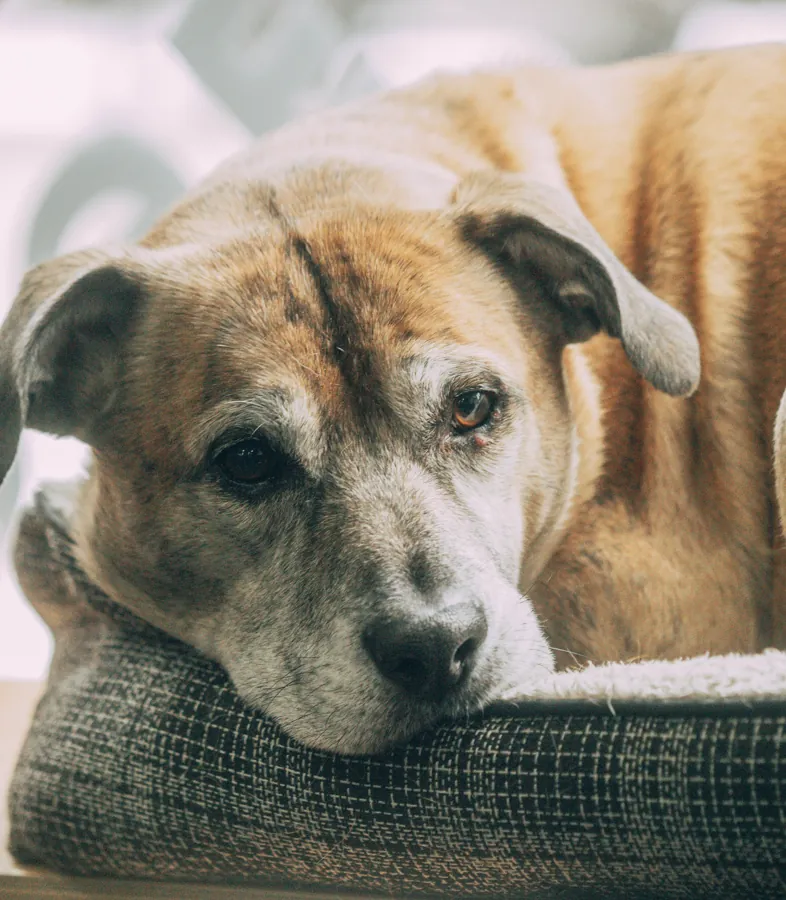
Identify the surfaces where your dog hesitates or slips. A securely placed runner or suitable nonslip mat may make a frequently used path more manageable. Choose an option that stays flat, has stable edges, and can be cleaned without losing its grip.
Test placement before covering the apartment. A mat that moves when the dog steps onto it may be less reassuring than the original floor. Check doorway clearance and make sure people can walk around or over the change safely.
Keep nails and paw care on your veterinary or grooming discussion list. Do not assume that buying more floor coverings addresses every movement problem. Pain, weakness, or another health issue may require treatment and an individual mobility plan.
Keep the familiar route clear
Move bags, loose cables, and temporary storage away from everyday paths. If your dog has trouble seeing or navigating, avoid frequent furniture rearrangement. Maintain an easy route to water and the resting area without forcing sharp turns around crowded corners.
A small apartment does not require a large renovation to become more usable. Begin with the bottleneck that repeatedly causes difficulty. For example, relocating a laundry basket may open a safer turning area beside the bed.
Discuss ramps, steps, and support harnesses
These aids need to suit your dog’s abilities and your space. Ask your veterinarian or rehabilitation professional whether an aid is appropriate and how to introduce it. Check the manufacturer’s intended use, stability, size, and weight limits.
Do not use an ordinary walking-harness handle to lift a dog unless the design is intended for that purpose and a professional has advised the technique. A narrow ramp that blocks the human route can create a second access problem. Measure the full arrangement before purchasing.
Create rest and water access that work together
A comfortable bed should be easy to reach and leave. Watch whether the dog can rise from it, turn, and step onto the surrounding floor. Very soft or unstable bedding may be difficult for some dogs; the most expensive option is not automatically the best fit.
Place rest where the dog can have quiet without being isolated from preferred company. Consider drafts, direct sunlight, heater placement, and household traffic. Offer another comfortable location if the apartment has different temperature zones.
Keep water accessible and check that the dog can approach and drink comfortably. Ask your veterinarian about any feeding or bowl-position changes that might help your particular dog. Do not introduce a universal raised-bowl rule based only on age.
Our resting-setup comparison can help you evaluate bed, pen, and crate arrangements. For a senior dog, the ability to move comfortably in and out is especially relevant.
Adapt outings to comfort and meaningful activity
Discuss an appropriate activity plan with your veterinarian. Ask what to observe during walks, which changes should prompt a call, and whether rehabilitation support is useful. Avoid replacing individual advice with a chart that assigns the same walking time to every older dog.
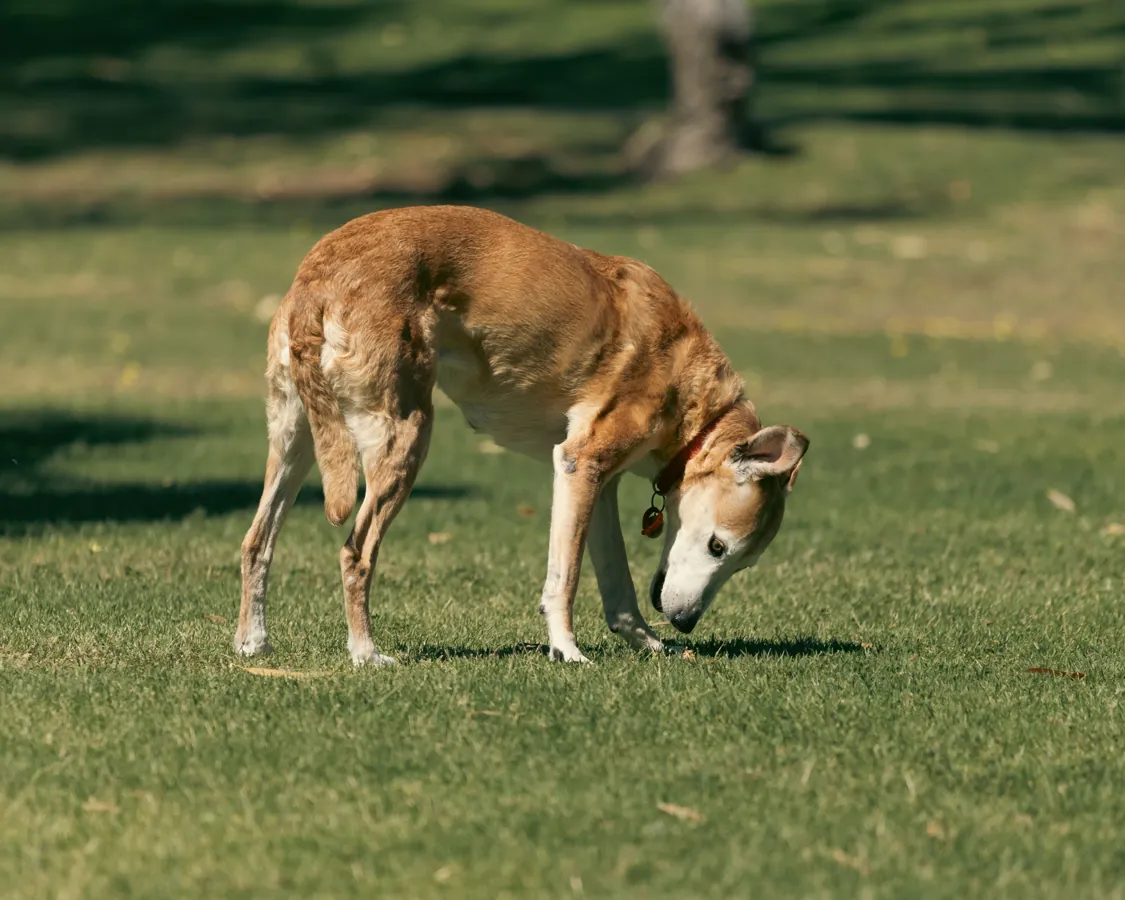
Consider distributing outings differently if that fits the medical plan and the dog’s needs. A shorter route with opportunities to sniff may be more manageable than a long loop. However, simply removing activity because the dog is older can also remove valued experiences.
Choose a destination with easy access and room to pause. Keep the route predictable when unfamiliar surfaces or traffic are difficult. A bench or quiet stopping place can help the caregiver organize a rest without requiring the dog to navigate more obstacles.
Watch the return trip
The walk is not finished at the building entrance. Notice whether your dog has enough comfort and coordination for the elevator wait, hallway, and trip back to bed. Include that final segment when discussing the outing with your veterinarian.
Record patterns across ordinary days. Perhaps the dog manages the same route comfortably in cool conditions but struggles when it is warm or crowded. Your notes should help tailor the plan, not justify pushing through a difficult outing.
Keep enjoyable indoor choices available
Offer suitable activities the dog already likes, such as a gentle food search, a familiar reward-based exercise, or relaxed company. Adapt placement and difficulty so the dog does not have to crouch, climb, or struggle for access.
Our weekly enrichment menu offers a way to rotate familiar choices. Discuss food-based activities and physical demands with your veterinary team when diet or mobility restrictions apply.
Respond to bathroom and sleep changes
New accidents, increased urgency, difficulty squatting, or changes in drinking deserve veterinary advice. Do not punish the dog or assume they have forgotten training. A care plan may need a health assessment as well as a more accessible route outside.
Keep cleanup supplies ready and use a manageable household routine. If a veterinarian recommends a temporary indoor bathroom option, ask how to introduce it and maintain hygiene. Confirm any building restrictions before relying on a shared indoor space.
For disrupted sleep or nighttime wandering, record when it happens and what you observe. Check whether the dog can reach water, rest comfortably, and navigate the route. Ask your veterinarian about the pattern rather than choosing a diagnosis from an online checklist.
Soft, appropriately placed lighting may make nighttime movement easier for some dogs, but it is not treatment for a medical problem. Keep electrical cords secure and avoid putting another obstacle where the dog needs to walk.
Prepare for an elevator outage before it happens
Ask the building how residents receive outage notices and whom to contact after hours. Then decide what your household can actually do if the usual route becomes unavailable. A plan that says “carry the dog” is incomplete if nobody can do so safely.
Discuss transport options with your veterinarian, especially if stairs are no longer manageable. Identify a helper who has agreed to assist and understands the dog’s handling needs. Check whether an alternative accessible entrance or temporary care location is available.
- Access: Which route works if the main elevator is unavailable?
- Assistance: Who can respond, and what can they safely do?
- Transport: How will the dog reach a veterinary appointment?
- Equipment: Is any recommended aid available and familiar?
- Fallback: Where can the dog receive suitable care if access remains difficult?
Use our backup care planning guide to document the people and instructions. Practice ordinary handoffs before an urgent problem makes them harder.
Keep veterinary follow-up practical
Bring a short summary of movement, appetite, drinking, bathroom habits, rest, and enjoyable activities to appointments. Explain which changes are new and which have become more frequent. Ask for a written plan that the household can follow consistently.
Keep medication names, dose instructions, and contact details together in a secure place. Do not add human pain medication or change a prescribed dose without veterinary direction. If administration is difficult, tell the clinic so they can discuss a workable approach.
Track one or two practical goals from the care plan. For example, you might monitor getting up from bed or comfort during the bathroom route. This helps you notice whether the arrangement is working without turning every day into a lengthy assessment.
Also consider caregiver capacity. Lifting, overnight interruptions, appointments, and cleaning can become demanding. Asking for help early can protect both the dog and the person providing care. A sustainable plan includes the caregiver’s physical and scheduling limits.
Questions about senior dog apartment care
Does slowing down always mean normal aging?
No. A change can have several causes, including discomfort or illness. Describe the pattern to your veterinarian and arrange assessment as advised. Sudden weakness, collapse, breathing difficulty, or inability to stand warrants prompt veterinary attention.
Should an older dog stop using stairs entirely?
That depends on the individual dog’s health and ability. Ask your veterinarian about your building’s actual stairs and the dog’s current movement. Do not force a difficult climb or assume a thick coat, small size, or previous ability makes it safe today.
What change should I make first?
Start with the repeated obstacle that affects an essential task, such as reaching the bathroom or getting up from bed. Pair practical access improvements with veterinary assessment when comfort or function has changed. Then review the result before adding more equipment.
A senior-friendly apartment is one whose routine can adapt. Preserve enjoyable moments, make essential access easier, and keep observations connected to professional guidance. Comfort comes from the whole daily arrangement, not a single purchase.
How can I check whether a home change helped?
Choose a specific task before changing the setup. If the concern is getting from bed to water, observe that ordinary trip after adding a stable surface or relocating an obstacle. Record whether the dog moves more comfortably and whether a new difficulty appears elsewhere.
Share the result with your veterinary team, especially when the change is part of a treatment or mobility plan. Avoid making several major changes simultaneously unless safety requires them; otherwise, it becomes harder to know what helped. Keep an adaptation only if it works for the dog and the caregiver in everyday use.
Sources & further reading
Sources checked October 14, 2026. Home-access examples are editorial planning aids. This article does not diagnose mobility, cognitive, or other health conditions; use an individual veterinary care plan.
General guidance does not replace individual veterinary or behavior assessment.